
Get Central Heating Replacement
Central heating replacement services help property owners upgrade or install new heating systems, solving issues like inefficiency, breakdowns, or outdated equipment through expert projects.
If you're considering replacing your central heating system, you're in the right place to explore your options. Property owners in the area often evaluate this work to improve energy efficiency, enhance comfort during colder months, or upgrade aging equipment. Understanding the benefits of a modern heating system can help inform your planning process and ensure your home remains warm and efficient throughout the year.
Comparing local contractors who specialize in central heating replacement can provide valuable insights into available solutions and the best approaches for your property. By reviewing different service providers, you can identify experienced professionals capable of handling your project with expertise. Keep reading to learn more about how local specialists can support your heating upgrade and help you make informed decisions.
- Central Heating Replacement - needed when a heating system is no longer functioning efficiently or has become outdated.
- Boiler Upgrade - required if existing boilers are failing to provide reliable warmth or meet energy standards.
- Radiator and Pipe Replacement - necessary when radiators or pipes are leaking, corroded, or no longer effective.
- System Modernization - suitable for homes seeking to improve energy efficiency with newer heating technologies.
- Complete Heating System Overhaul - appropriate when multiple components are failing or the entire system needs upgrading for better performance.
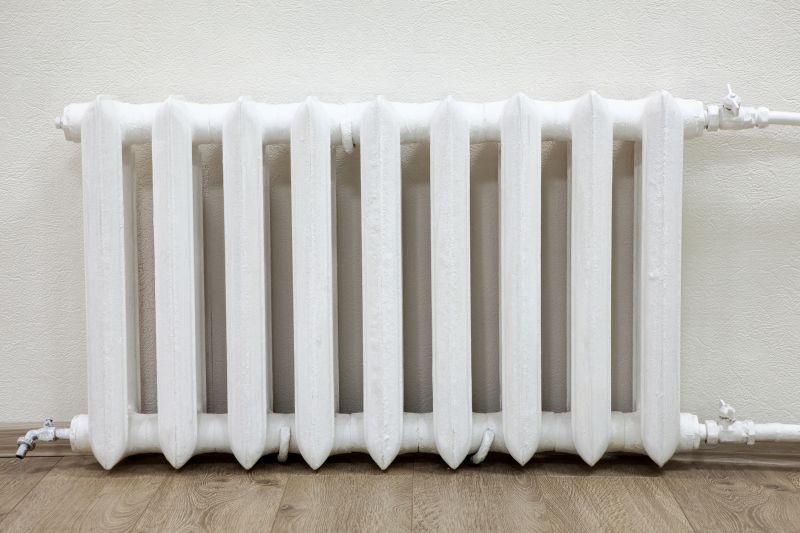
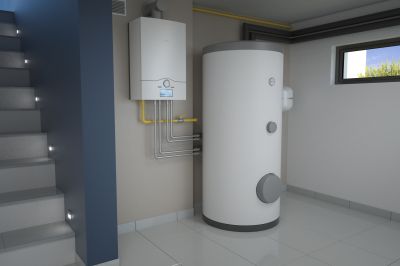
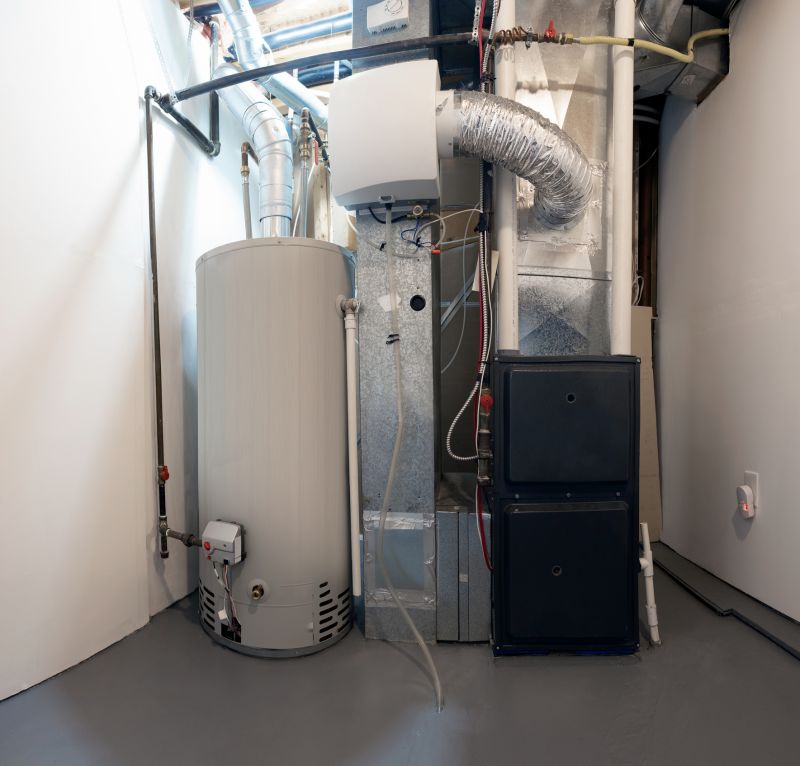
Central heating replacement services involve removing an existing heating system and installing a new, more efficient unit to provide reliable warmth throughout a property. This process typically includes removing outdated or malfunctioning boilers, radiators, or heat pumps, and fitting the new system to ensure proper operation. The goal is to improve heating performance, increase energy efficiency, and reduce ongoing maintenance issues, helping homeowners maintain a comfortable indoor environment during colder months.
Many property owners turn to central heating replacement when their current system is no longer functioning properly or has become costly to repair. Common problems include inconsistent heating, rising energy bills, frequent breakdowns, or system failure. Upgrading to a modern, efficient model can address these issues by offering better temperature control, quieter operation, and lower energy consumption. This service is also a practical solution for properties that have aging heating equipment approaching the end of its lifespan.
A wide range of property types benefit from central heating replacement, including detached and semi-detached houses, townhouses, and even some multi-family buildings. Homes with older heating systems often experience reduced comfort and higher energy costs, making replacement a sensible choice. Commercial properties, small apartment buildings, and other residential setups may also require this service, especially when upgrading to more energy-efficient or higher-capacity systems. Service providers can tailor solutions to suit the specific size and heating needs of each property.
Homeowners who notice frequent system breakdowns, uneven heating, or escalating energy bills should consider consulting local contractors about central heating replacement. This service can be an effective way to enhance comfort, improve energy efficiency, and ensure the heating system operates reliably. Contacting experienced local pros can help identify the most suitable system for a property’s size and usage, providing a practical solution for maintaining a warm and comfortable home environment.
The overview below groups typical Central Heating Replacement projects into broad ranges so you can see how smaller, mid-sized, and larger jobs often compare in your area.
In many markets, a large share of routine jobs stays in the lower and middle ranges, while only a smaller percentage of projects moves into the highest bands when the work is more complex or site conditions are harder than average.
Smaller Repairs - minor heating system repairs or component replacements typically cost between $250 and $600. Many routine fixes fall within this range, depending on the specific parts needed and the complexity of the repair.
Standard Replacement - replacing an existing central heating unit with a new, similar model generally ranges from $3,000 to $7,000. Most projects in this category stay within this middle band, with fewer reaching the higher end for premium systems.
Full System Upgrade - upgrading to a high-efficiency or advanced heating system can cost between $7,000 and $12,000. Larger, more complex installations tend to fall into this higher range, but many projects remain in the lower to middle tiers.
Complex or Custom Installations - large-scale or custom heating system replacements can exceed $12,000, with some extensive projects reaching $20,000 or more. These are less common and usually involve additional work such as ductwork modifications or integration with other systems.
Actual totals will depend on details like access to the work area, the scope of the project, and the materials selected, so use these as general starting points rather than exact figures.
Furnace Installation - this project involves installing or replacing heating systems that require similar planning and technical skills as central heating replacements.
Radiator Replacement - swapping out or upgrading radiators involves similar knowledge of heating systems and pipework as central heating upgrades.
Boiler Repair and Servicing - maintaining or repairing boilers requires expertise in heating components, which complements central heating system work.
Underfloor Heating Installation - installing underfloor heating systems shares planning and technical skills with central heating system upgrades.
Pipework Reconfiguration - rerouting or upgrading pipe systems involves similar skills in plumbing and heating system layout planning.
Thermostat and Controls Setup - installing or upgrading control systems requires understanding of heating system integration, related to central heating system improvements.
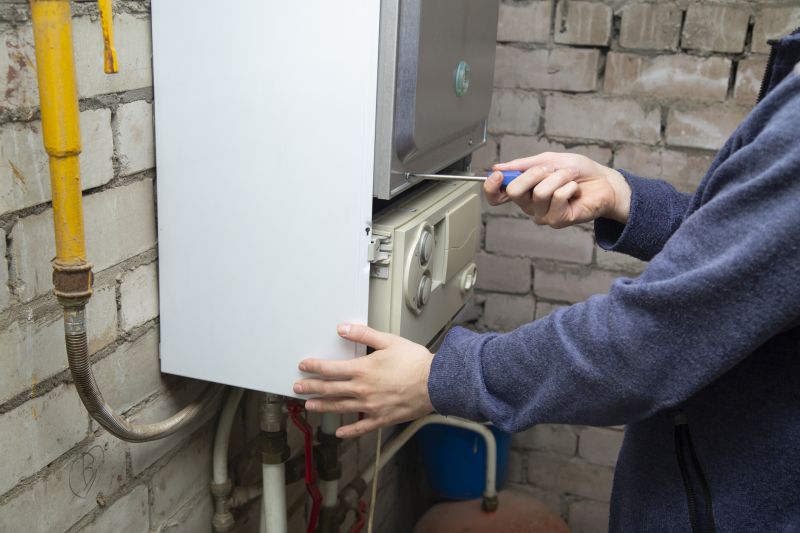
When evaluating options for central heating replacement, it’s important to consider the experience of local contractors with similar projects. Homeowners should look for service providers who have a proven track record of handling heating system replacements comparable in size and complexity to their own. Asking for details about past work can help gauge whether a contractor has the necessary expertise to deliver quality results and navigate potential challenges effectively.
Clear, written expectations are essential when comparing local pros. Homeowners should seek detailed proposals that outline the scope of work, materials to be used, and any specific responsibilities of the contractor. Having this information in writing helps ensure everyone is aligned on the project’s goals and reduces misunderstandings. It also provides a basis for comparing different service providers fairly and making informed decisions.
Reputable references and good communication are key indicators of a reliable contractor. Homeowners should inquire about references from previous clients who had similar heating replacement projects. Listening to feedback about the contractor’s professionalism, responsiveness, and quality of work can provide valuable insights. Additionally, choosing a service provider who communicates clearly and promptly can make the entire process smoother and more predictable. It’s important to remember that the site introduces homeowners to local options but does not perform the work itself.
Property owners use Central Heating Replacement services for practical projects around their homes and businesses. This guide focuses on everyday jobs and straightforward project options.
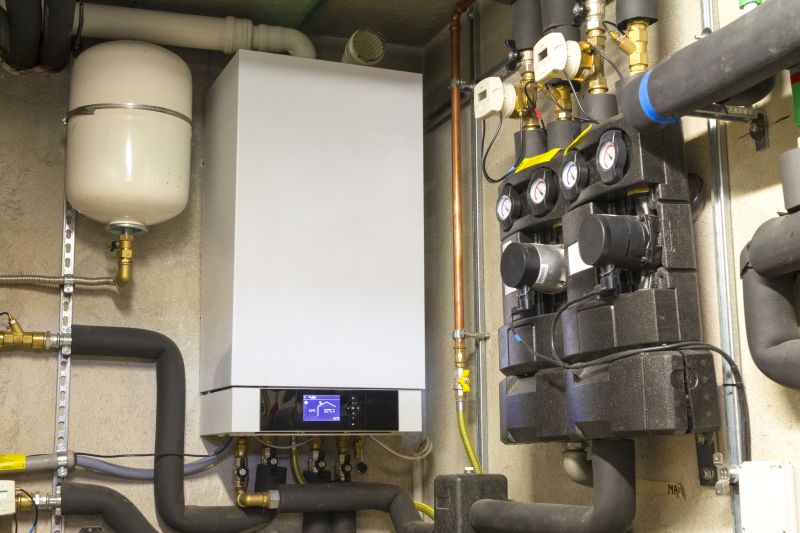
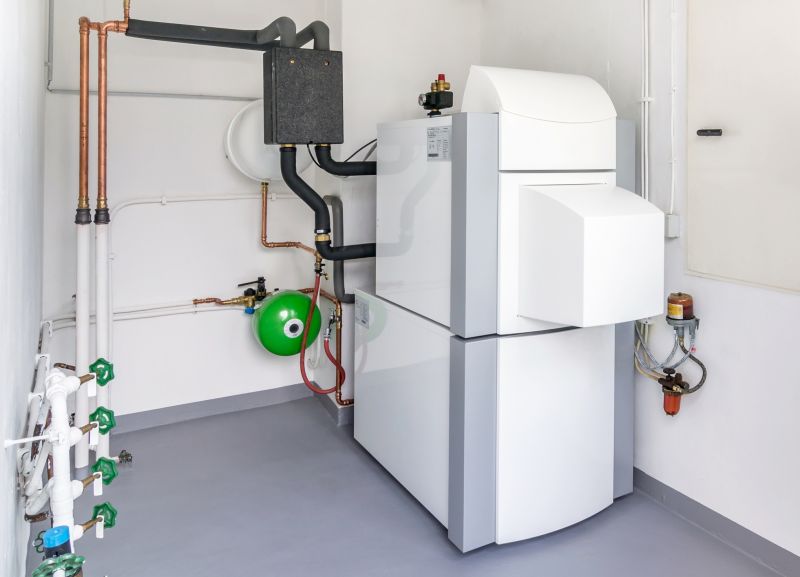
Central heating replacement is a common project for property owners experiencing issues with their current system, such as frequent breakdowns, inefficiency, or rising energy bills. Many local contractors are called upon when older boilers or radiators no longer perform reliably, or when a home’s heating system simply no longer meets the needs of the household. These professionals can assess the existing setup, recommend suitable new options, and handle the installation to ensure the property stays warm and comfortable throughout the colder months.
Property owners might also seek central heating replacement services when upgrading an older property or undertaking renovations. Replacing outdated systems can improve energy efficiency and reduce long-term costs, making it a practical choice for those looking to modernize their homes. Local service providers are equipped to manage such projects, providing expert guidance and quality installation to help homeowners achieve a more reliable and efficient heating setup.
When is it time to replace a central heating system? Signs such as frequent repairs, inefficiency, or outdated technology may indicate that a replacement is needed. Consulting with local contractors can help determine if a new system is advisable.
What types of central heating systems are available for replacement? There are various options including gas, electric, and oil-powered systems. Local service providers can recommend solutions based on the property’s needs and existing infrastructure.
How can I ensure my new central heating system is properly installed? Hiring experienced local contractors ensures that installation adheres to safety standards and manufacturer guidelines, promoting optimal performance.
What factors should be considered before replacing a central heating system? Consider the size of the property, energy efficiency, and compatibility with existing ductwork or radiators. Local professionals can provide tailored advice.
Are there any specific maintenance requirements after replacing a central heating system? Regular servicing by local service providers can help maintain efficiency and extend the lifespan of the new system.
Upgrade an aging heating system - property owners can explore replacing an outdated central heating setup to improve efficiency and comfort.
Improve energy savings - homeowners might consider a heating replacement to reduce energy bills and enhance overall home performance.
Prepare for seasonal changes - replacing a central heating system can help ensure reliable warmth during colder months.
Enhance home value - property owners may see replacing their heating system as a way to boost the appeal and marketability of their home.
If you are thinking about Central Heating Replacement for a property, this guide is meant to help you understand the work, the typical project types, and how different options might fit your plans.
When you are ready, you can use the quote form on this page to share a few details about your project. From there, local pros can review the basics and respond with options that match what you have in mind.